
The strength of extended family and community in South Asian mental health.

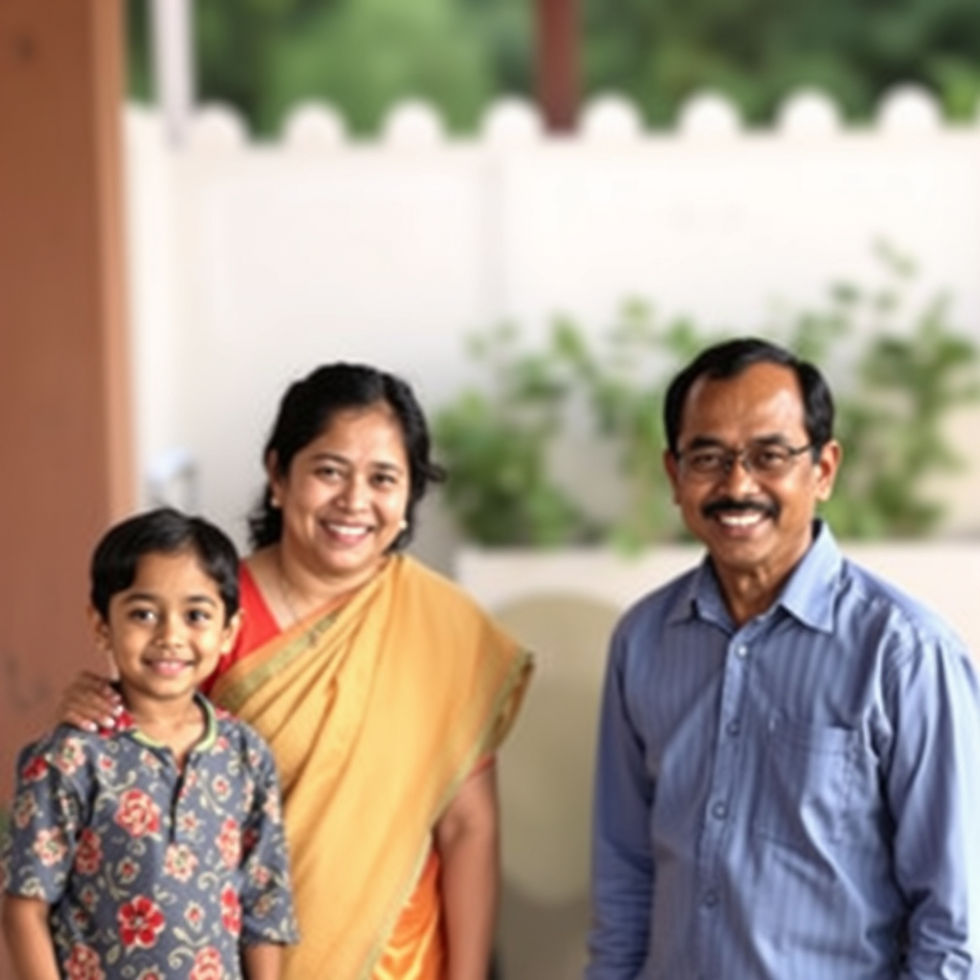
A tradition of shared responsibility In many South Asian cultures, the idea of family extends far beyond the nuclear household. Grandparents, aunts, uncles and cousins often live under one roof or nearby and play active roles in raising children and supporting one another emotionally. In the absence of families nearby, it is common practice for neighbours to support each other, replacing the role of the extended families. These traditions are rooted in collectivist values where belonging, loyalty and shared responsibility are central. In my work, I have seen how extended family can serve as a powerful buffer against isolation and anxiety. Yet when misunderstood, professionals can regard these systems as barriers. This is why culturally responsive tools like those developed by Anna Freud are vital. They help us ask the right questions about support systems, traditions and roles that matter deeply in South Asian communities. A family’s story I supported a South Asian family in which the mother was caring for her husband, who had a serious health condition. With her time focused on his needs, she found it difficult to meet the daily demands of their children. Instead of viewing this as a breakdown in care, the wider family stepped in. Grandparents, uncles and aunties came together to support the children emotionally, physically and practically. It was a powerful example of shared responsibility - a value deeply embedded in many South Asian cultures. In my work with this family, I regularly held sessions involving both the mother and the grandparents. We co-created strategies, reflected together and tailored support to fit their lived experience. This joint approach helped create stability for the children and ensured all adults involved were working in partnership. “I felt I had abandoned my children,” the mother said. But through reflection, she began to understand her caregiving through the lens of cultural strength, not deficit. She saw that her children were not lacking; they were surrounded by love. The emotional impact of cultural mismatch This case reflects how dominant Western ideals around parenting can create guilt in mothers who rely on extended support. Validating cultural practices helps parents shift from shame to strength. It also allows children to thrive within systems that reflect their identities. Together, we explored these feelings within the wider cultural context. I encouraged the mother to reflect on caregiving traditions passed through generations in her community. We talked about how, through consistent love and care from extended family members, children continue to build secure attachments and strong identities. By validating her feelings and reconnecting her with the strengths of her cultural model, she began to shift from guilt to acceptance. She recognised that her children were not lacking but surrounded by care, just in a form different from the dominant norms often portrayed. This case shows how, when professionals honour collective caregiving systems, we can support children more holistically and help parents find strength in their values. How you can help To work more effectively with South Asian families, we must first recognise and respect what already works for them: the emotional strength drawn from extended family; the informal networks of care within their communities; and the cultural values that prioritise collective well-being. Instead of expecting families to fit neatly into a nuclear family model often assumed in Western services, we need to understand and appreciate the wider family structures that shape the lives of many South Asian children and young people. In practice, this means working not only with parents but also with key family members involved in a young person’s life, such as grandparents, aunts or older siblings. While older generations may hold different cultural beliefs that at first appear to clash with mainstream approaches, we must resist the urge to dismiss their values. Also, to include grandparents, we must use tools such as interpreters to ensure they feel included and that what they have to say is valued and respected. By drawing on the wisdom, cultural knowledge and lived experience of these family members, combined with the expectations of parents and professional guidance, we can create more culturally responsive, respectful and ultimately more effective support systems for the child or young person. In summary, we need to: • Recognise informal care networks • Engage grandparents and other key adults • Use interpreters when needed • Respect differing generational values. Extended family and community networks offer emotional security and practical help that are essential to a child's wellbeing. Let’s move beyond nuclear family assumptions and honour the caregiving systems that already work in these communities. A bit about me I’m a Child and Family Specialist with SAFE Evolve, where I work closely with children and families from diverse backgrounds to promote emotional wellbeing through culturally responsive approaches. I’m passionate about incorporating cultural competence into therapeutic work, particularly when supporting minoritised communities whose caregiving systems may not fit conventional models. One of the reasons I chose to write this blog is because of my own lived experience. Growing up in Pakistan, I spent much of my early childhood with my neighbour’s family, who became an extension of my own. Looking back now, as a psychotherapist specialising in children and families, I can see how deeply that experience shaped my sense of belonging, security and identity. It is a powerful example of how community care can positively influence a child’s emotional development. Before joining SAFE Evolve, I worked across various settings including schools, family support services and mental health provision. My work has always centred around strengthening family relationships and ensuring that children are supported by systems that reflect their cultural values and lived experiences. In my free time, I enjoy a variety of creative and reflective activities such as poetry, writing, reading, music, cooking and sewing.


Comments